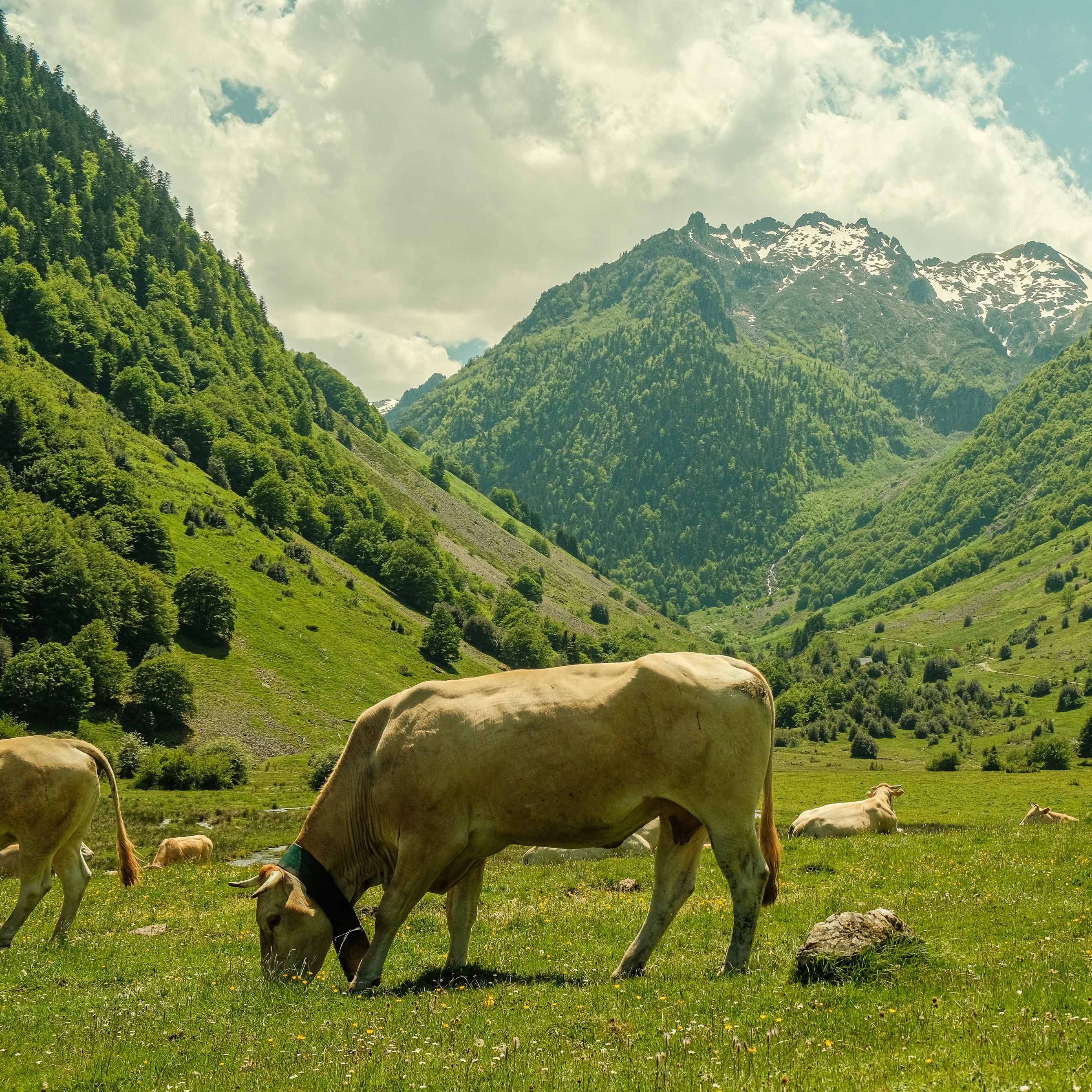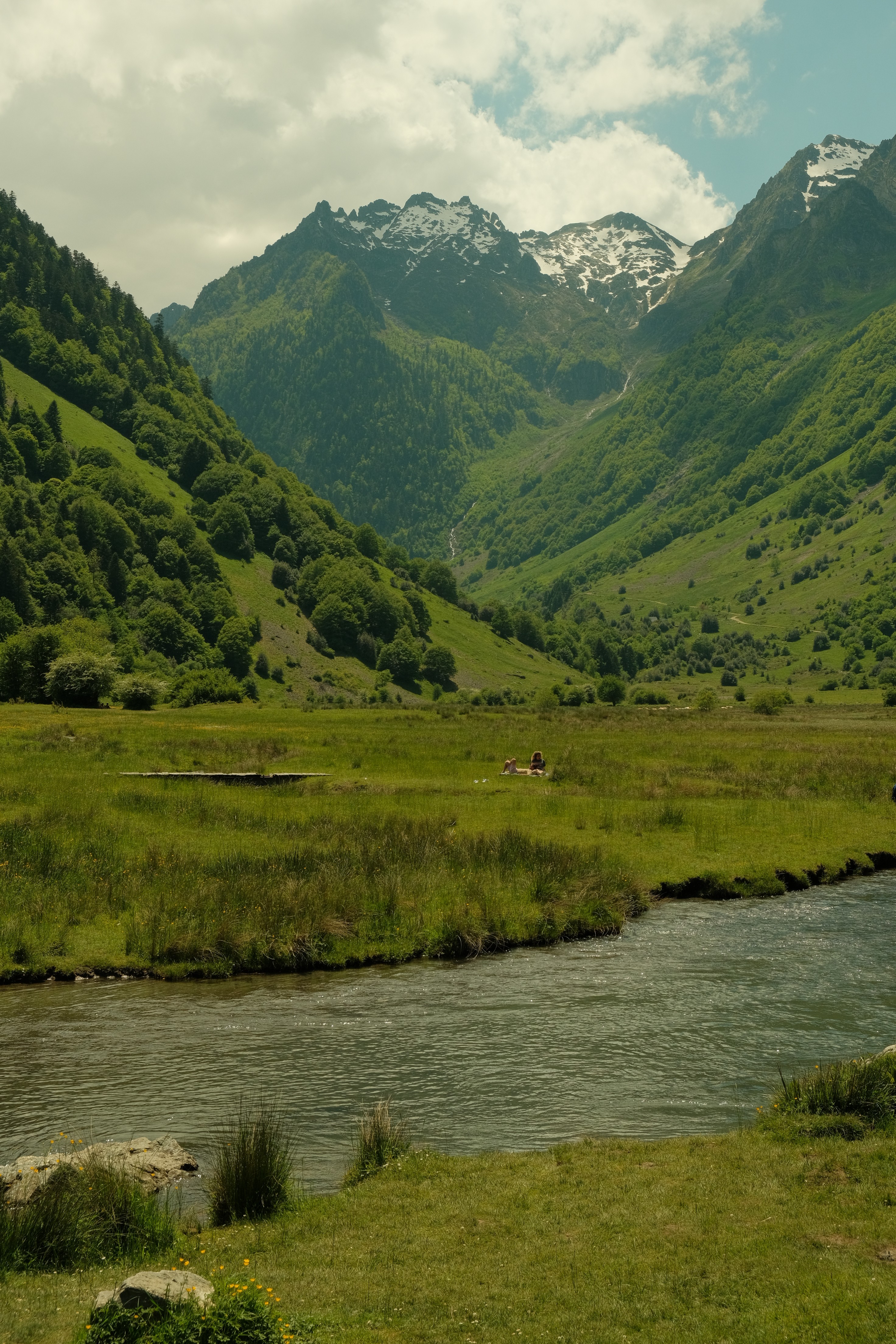
While the Alps often get the glory, the Pyrénées offer a wilder, more rugged beauty that separates France from Spain. For the nature photographer, this range offers dramatic peaks, lush valleys, and a unique cultural heritage. Documenting this region requires patience and an appreciation for the grand scale of nature. Here is how to capture the soul of the Pyrénées.
Composition and Scale in the Mountains
Layering the Landscape
The Pyrénées are defined by layers: green foothills, rocky mid-ranges, and snow-capped summits. Use a telephoto lens (70-200mm) to compress these layers, stacking the mountains against each other visually. This technique emphasizes the sheer scale and verticality of the range, making the viewer feel small in comparison to the landscape.
Chasing the Light
Mountain weather changes fast. The "moody" shot is often better than the "sunny" shot. Storm clouds rolling over a peak or shafts of sunlight piercing through the mist create drama. Shoot on 35mm film like Fujifilm Velvia (if you can find it) or a high-saturation digital profile to capture the deep greens of the valleys and the stark whites of the remaining snow.
Cultural Elements
The Stone Villages
The Pyrénées are dotted with ancient stone villages and shepherd huts. Incorporate these structures into your landscape shots to give a sense of place and history. They provide a human scale to the vast wilderness. The textures of the slate roofs and stone walls look incredible on high-contrast black and white film.
Flora and Fauna
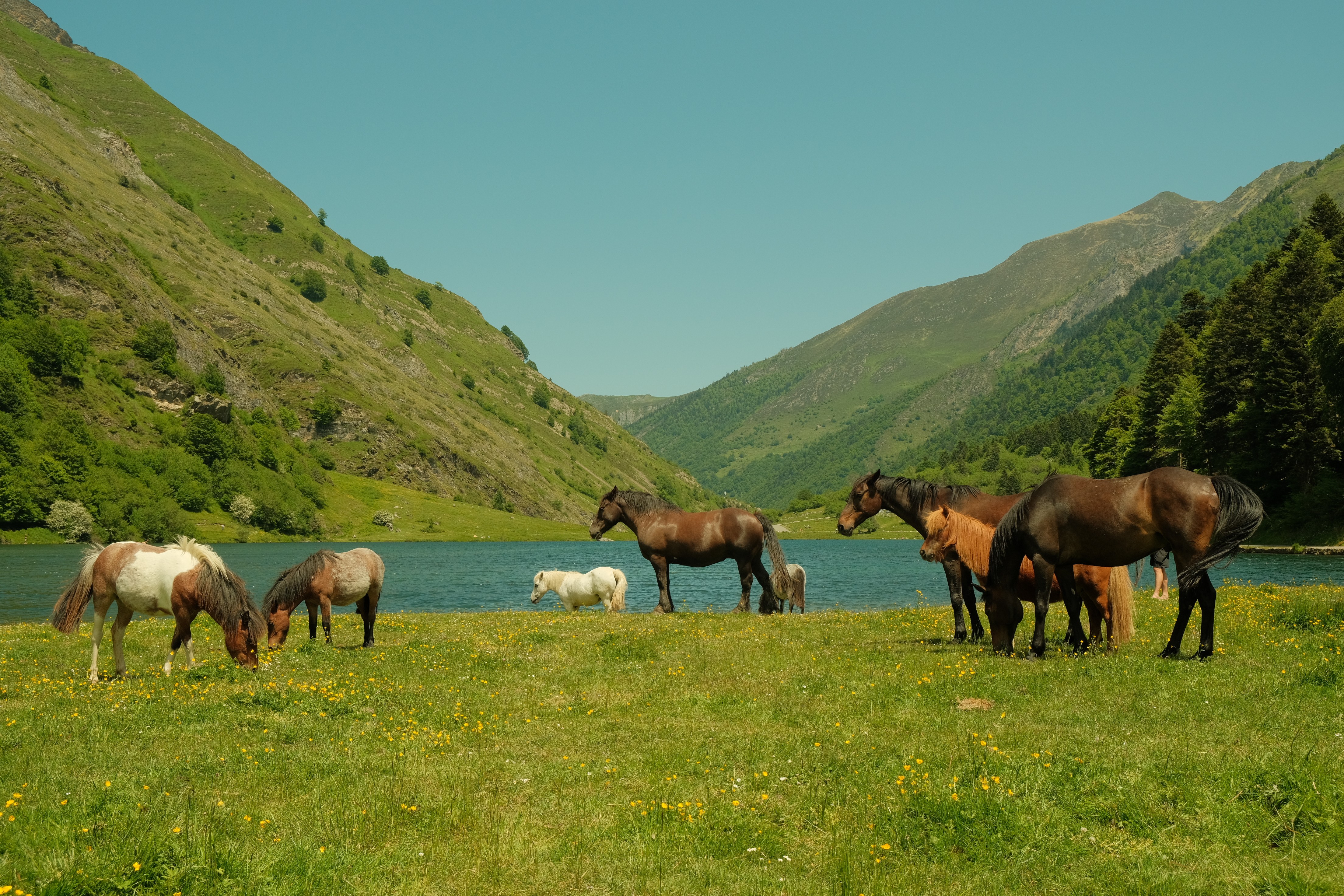
Spring and early summer bring wildflowers to the high pastures. Get low to the ground to frame the peaks through the flowers. Keep an eye out for Griffon Vultures and Isards (Pyrenean Chamois); a long lens is essential here to capture wildlife without disturbing it.