The most powerful brands aren’t selling products—they’re selling identities, experiences, and belonging. Lifestyle brands like Red Bull, Patagonia, The North Face, and Arc’teryx have mastered the art of creating communities around shared values and aspirations. These brands represent more than what they sell; they embody a philosophy and way of living.
In this career-focused guide, discover:
✔️ What defines a lifestyle brand and why it matters
✔️ Core pillars of successful lifestyle brand building
✔️ Storytelling strategies that create emotional connections
✔️ Community engagement that drives loyalty
✔️ How to launch and scale your lifestyle brand
Whether you’re building a personal brand, launching a product-based company, or repositioning an existing business, this guide reveals the strategic thinking behind the world’s most compelling brands.
Understanding the Lifestyle Brand Concept
A lifestyle brand transcends product categories to become part of how people define themselves. When someone buys a Patagonia jacket, they’re not just purchasing outerwear—they’re aligning with environmental values. When someone wears Arc’teryx, they’re signaling commitment to high-performance gear and alpine heritage. When someone drinks Red Bull, they’re buying into adrenaline, innovation, and extreme experiences.
The Product vs. The Lifestyle: The Critical Difference
Traditional brands sell solutions to problems: cars provide transportation, clothing provides warmth, drinks provide hydration. Lifestyle brands add an emotional and aspirational layer. They answer deeper questions: Who am I? What values do I hold? How do I want to be perceived?
Luxury car brands like Land Rover exemplify this shift. Their marketing doesn’t focus solely on horsepower or fuel efficiency. Instead, campaigns showcase breathtaking landscapes, freedom of exploration, and connection to nature. The vehicle becomes an enabler of lifestyle rather than the primary focus.
The Four Components of Lifestyle Brands
Successful lifestyle brands share distinct characteristics:
Authentic Purpose: Beyond profit, lifestyle brands embody genuine values. Patagonia’s 1% for the Planet initiative and environmental activism aren’t marketing tactics—they’re foundational to the brand’s identity. This authenticity creates trust and deep connection with aligned audiences.
Compelling Storytelling: Red Bull revolutionized marketing by producing high-quality content (films, documentaries, digital series) that audiences actively seek out rather than avoid. Their content positions the brand within exciting narratives people already care about.
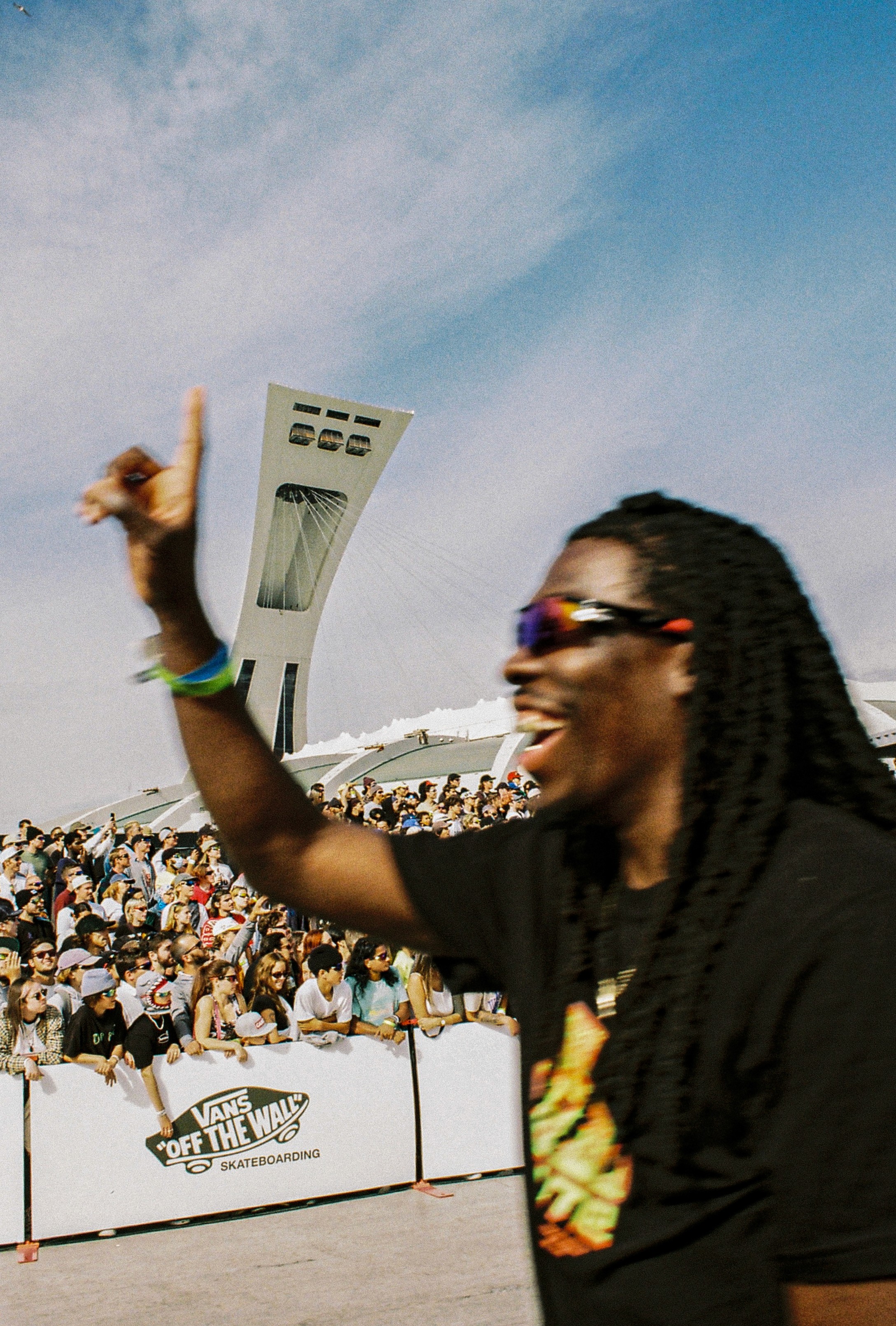
Community Building: The strongest lifestyle brands foster communities where customers become brand ambassadors. These communities share values, participate in events, and create user-generated content organically. Think Patagonia’s advocacy community or skateboard brands’ park culture.
Experience Over Transaction: Lifestyle brands create experiences that extend beyond product purchase. Red Bull sponsorships of extreme sports events, Patagonia’s climbing workshops, or Arc’teryx’s alpine expeditions transform customers into participants in the brand narrative.
Building Your Lifestyle Brand Foundation
Define Your Authentic Purpose and Core Values
Before launching any lifestyle brand, crystallize your purpose. Why does your brand exist beyond making profit? What values guide every decision? What change do you want to create in the world?
For outdoor brands, this often means environmental stewardship. For action sports brands, it’s pushing creative boundaries and celebrating authentic culture. For luxury automotive brands, it’s engineering excellence and exploration.
Your purpose should feel genuine to your team and resonate with your target audience’s deepest values. A purpose that feels manufactured undermines credibility—audiences sense inauthenticity immediately.
Know Your Audience Intimately
Lifestyle brands succeed by understanding their audience at psychographic levels, not just demographic categories. It’s not enough to know your customer’s age or income; you must understand their aspirations, values, fears, and how they want to be perceived.
Patagonia understands their audience cares about environmental impact. Red Bull knows their audience values adrenaline and pushing limits. Arc’teryx speaks to climbers and mountaineers who demand uncompromising performance.
Invest in audience research: conduct interviews, join communities where they congregate, participate in relevant activities, and listen deeply to their language and concerns. This intimacy translates into authentic positioning and messaging that resonates.
Develop a Clear Brand Position
Position your lifestyle brand distinctly within the competitive landscape. You can’t be everything to everyone. Successful brands own specific territory.
Billabong owns “beach lifestyle and youthful adventure.” O’Neill owns “heritage innovation and surfing tradition.” Bataleon owns “creative snowboard design and park culture.” Each occupies distinct psychological space in their audience’s minds.
Your positioning should answer: What unique promise do we make? What do we stand for that competitors don’t? Why would our ideal customer choose us over alternatives? This positioning guides every subsequent decision.
Create a Visual and Verbal Identity
Lifestyle brands communicate identity through consistent visual language and distinctive voice. The visual identity (logo, color palette, typography, imagery style) should evoke the brand’s character and values.
Red Bull’s visual identity—the bold logo, energetic color palette, dynamic photography—communicates high intensity and innovation. Patagonia’s visual identity—clean design, earth tones, authentic photography—communicates environmental consciousness and reliability.
Your verbal identity—tone of voice, messaging patterns, language choices—should feel authentic to your brand personality and resonate with how your audience speaks.