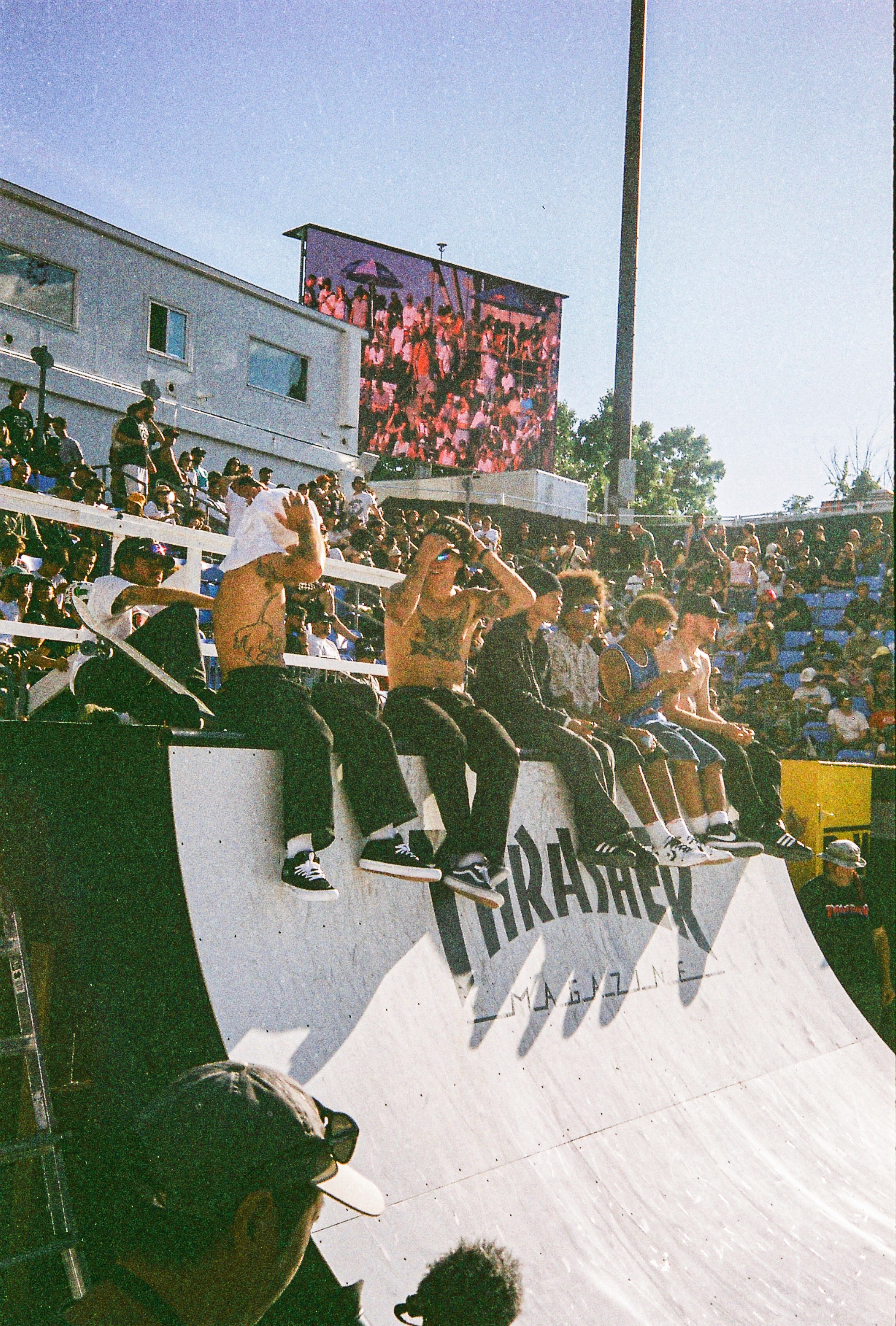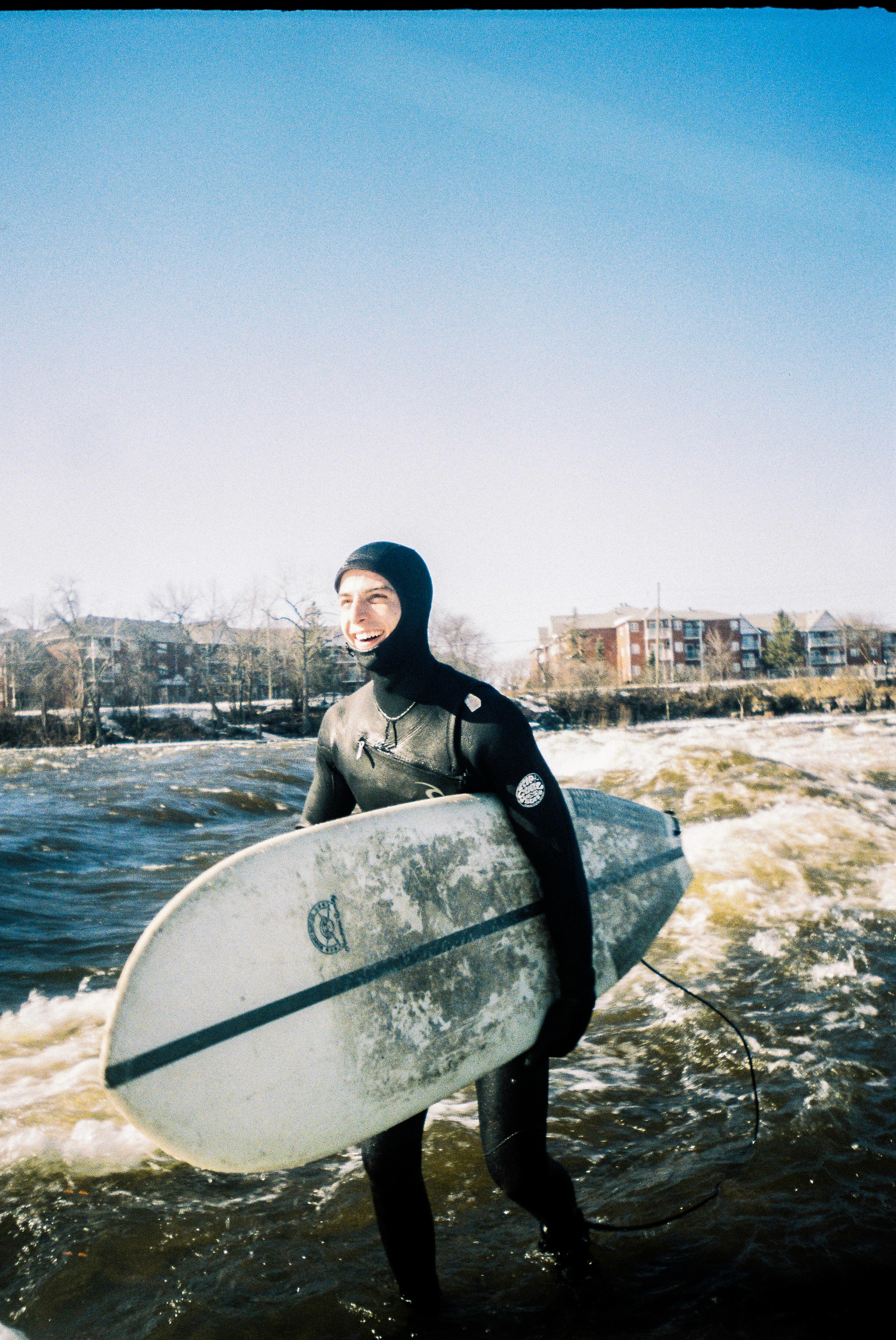
Action sports brands—skateboarding, snowboarding, surfing, climbing—operate in a unique marketing landscape. Their audiences crave authenticity, participate in tight-knit communities, and often distrust corporate messaging. Success requires a content strategy that celebrates the sport, respects the culture, and creates genuine community engagement.
Brands like Bataleon, O’Neill, Billabong, Quiksilver, and Arc’teryx have mastered this balance, combining digital innovation with cultural respect. Their content strategy philosophy: document real experiences rather than manufacture marketing.
Discover:
✔️ Content pillars that resonate with action sports audiences
✔️ Digital platforms where action sports communities congregate
✔️ Authenticity strategies that build credibility
✔️ User-generated content systems that drive engagement
✔️ How to build athlete partnerships that feel organic
Understanding Action Sports Culture and Content Expectations
Action sports communities developed largely outside mainstream marketing. Skateboarding culture emerged from DIY ethos and creative rebellion. Surfing communities formed around spot-specific gatherings and shared passion. Snowboarding grew from mountain culture and technical innovation. Climbing communities built on shared challenges and mutual support.
These communities developed BS detectors for inauthentic corporate messaging. Traditional advertising often backfires in action sports spaces. Audiences expect brands to participate authentically in culture rather than exploit it for profit.
The Authenticity Requirement
Action sports audiences distinguish immediately between authentic brand participation and extractive marketing. Authentic participation means:
Brands employing athletes who genuinely ride/compete, not celebrity endorsers. Content created by people within the culture, not corporate marketing departments. Sponsorships supporting grassroots community rather than top-tier athletes only. Genuine investment in the sport’s development and culture preservation.
Companies that violate these unwritten rules—using celebrities, manufacturing hype, or extracting value without community investment—face community backlash. Skateboard brands that genuinely support local parks and grassroots competitions earn credibility. Surfing brands that highlight amateur surfers alongside professionals feel inclusive rather than extractive. Snowboard brands that support riders’ creative experimentation rather than pushing sales maintain cultural respect.
The Content Preference for Raw Authenticity
Action sports audiences prefer raw, authentic content over polished corporate material. A grainy GoPro clip of an athlete discovering a new line resonates more than a high-production commercial. User-generated content from community members outperforms brand-created content. Skateboard videos featuring friends at local spots generate more engagement than sponsored athlete clips.
This preference reflects cultural values: skateboarding emerged as rebellion against polish and conformity. Surfing values connection to natural elements over manufactured experiences. Snowboarding celebrates creative expression over corporate control. Climbing respects authentic challenge over manufactured drama.
Smart brands embrace this preference, producing content that feels documented rather than directed, raw rather than refined, community-driven rather than brand-controlled.
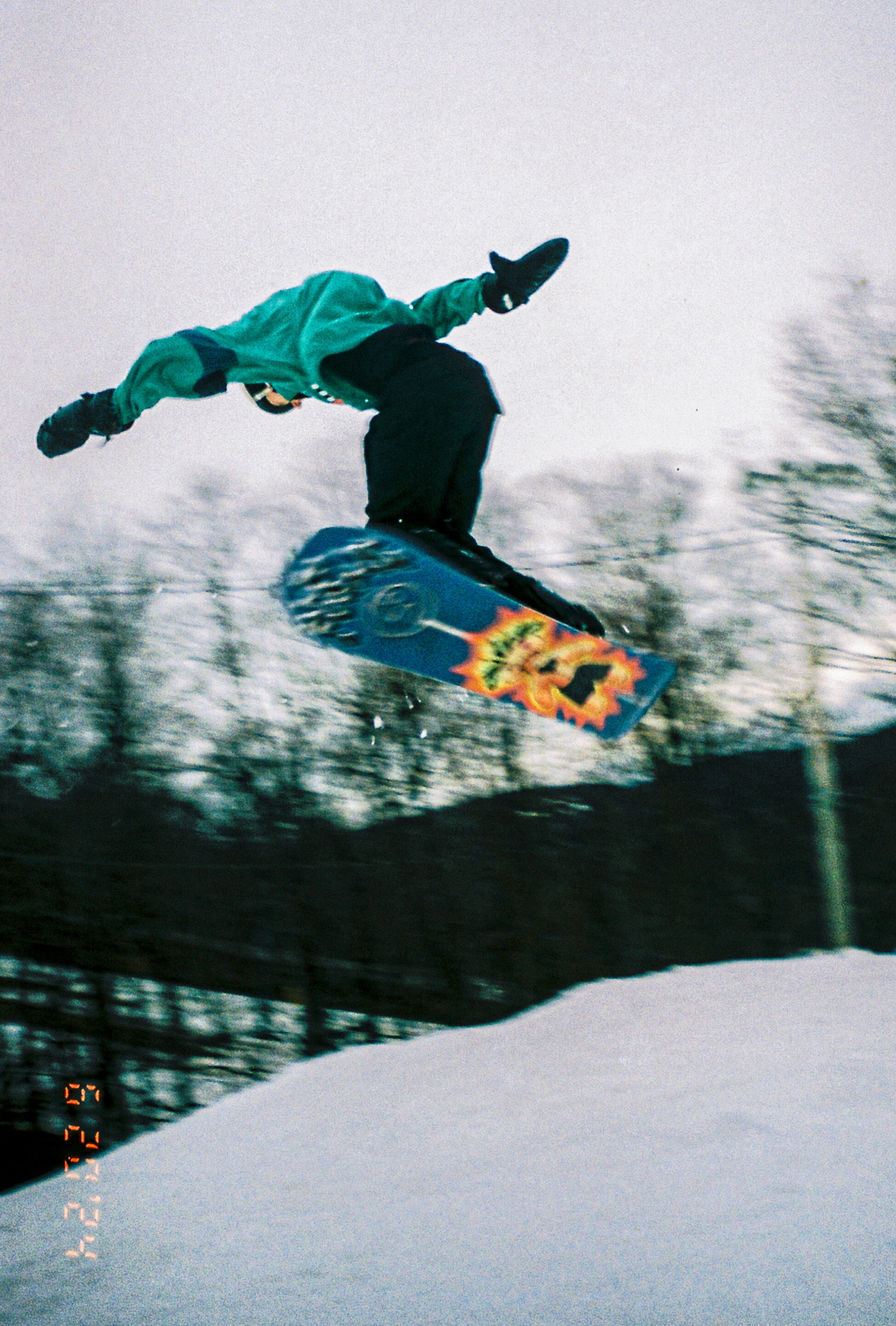
Core Content Pillars for Action Sports Brands
Pillar 1: Athlete and Community Storytelling
The most compelling action sports content features real people living the lifestyle. This includes:
Athlete Profiles and Documentaries: Following athletes’ journeys—training, progression, personal challenges, achievements—creates emotional investment. O’Neill’s “The Legend of Jack O’Neill” documentary exemplifies this approach: celebrating the founder’s authentic story rather than product specifications.
Community Spotlights: Featuring local riders, skaters, climbers, and surfers—not just sponsored professionals—demonstrates brand investment in grassroots community. This approach makes content relatable and positions brands as community facilitators rather than extractive corporations.
Personal Growth Narratives: Stories about progression, overcoming challenges, and pursuing passion resonate deeply. A video documenting someone learning a new technique or finally landing a difficult trick creates connection that product promotions cannot.
Pillar 2: Technical Innovation and Gear Deep-Dives
Action sports audiences care about gear performance and innovation. Content addressing this pillar includes:
Gear Analysis and Reviews: Honest discussions about product features, performance comparisons, and real-world testing credibility. Battleon’s “How to Run a Snowboard Company” content educates audiences about design philosophy and production innovation.
Design Philosophy Exploration: Explaining the thinking behind product design—why specific features exist, how they solve problems, what compromises were considered. This positions brands as thoughtful innovators rather than marketing entities.
Technical Tutorials and How-Tos: Content teaching specific skills or techniques using brand products naturally. Skateboard brands creating progression tutorials or surfing brands sharing wave analysis benefit audiences while demonstrating product capabilities.
Pillar 3: Community Events and Experiences
Action sports communities thrive around events—competitions, gatherings, workshop sessions, and celebrations. Content around these includes:
Event Coverage: Documenting competitions, local gatherings, and community events through multiple content formats (highlights, full videos, behind-the-scenes, participant interviews).
Workshop and Instructional Events: Hosting sessions where community members learn directly from athletes or experts, with content distributed to broader audiences unable to attend physically.
Community Activations: Supporting community initiatives—park cleanups, advocacy campaigns, inclusive programs—with transparent documentation showing genuine investment beyond profit.
Pillar 4: Lifestyle and Adventure Content
Action sports exist within broader lifestyle contexts—travel, nature exploration, creative expression, and personal philosophy. Content includes:
Adventure and Travel Stories: Documenting trips, explorations, and discoveries within action sports contexts. A snowboarding expedition to remote mountains or a surf trip to undiscovered waves creates aspirational content audiences engage with.
Creative Expression and Art: Celebrating the artistic dimensions of action sports—skate video cinematography, photography composition, music curation—recognizing that these sports are creative disciplines.
Environmental and Cultural Storytelling: Connecting action sports to broader themes—environmental stewardship (climbing with conservation focus), cultural respect (surfing with indigenous communities), adventure ethics.
Platform Strategy and Content Distribution
YouTube: Long-Form Documentation and Storytelling
YouTube remains the primary platform for action sports content distribution. Strategy includes:
Documentary Series: Multi-episode series following athletes, projects, or themes. These build audience loyalty and recurring viewership.
Regular Upload Schedule: Consistent posting (weekly or bi-weekly) keeps audiences engaged and supports algorithm performance.
Playlist Organization: Organizing content into playlists by athlete, theme, or series helps audiences navigate and supports watch-time metrics.
Behind-the-Scenes Content: Raw footage, bloopers, and production documentation humanizes brands and provides additional content from each shoot.
Instagram and TikTok: Short-Form Engagement and Community Participation
These platforms drive daily engagement and introduce content to new audiences:
Reels/TikTok: 15-60 second clips optimized for platform algorithms. Action sports excel here—quick progression clips, trick highlights, or lighthearted community moments perform exceptionally well.
Stories and Ephemeral Content: Daily updates, behind-the-scenes moments, and real-time event coverage build intimacy and encourage regular checking.
Community Engagement: Responding to comments, featuring user content, and participating in platform-specific challenges builds community and algorithm favor.
User-Generated Content Strategies
The most effective action sports content often comes from community members. Strategies to encourage UGC include:
Branded Hashtags: Creating campaign-specific hashtags encouraging followers to tag content. Reposting best UGC to main account credits creators and incentivizes participation.
Challenge Campaigns: Creating challenges (trick progressions, specific line requirements, creative interpretations) encouraging community participation and content creation.
Creator Features: Regularly featuring outstanding community content on main accounts and stories recognizes creators and incentivizes quality participation.
Photo and Video Submission Systems: Formal systems allowing community to submit content for brand consideration removes friction and streamlines UGC collection.
Athlete Partnerships and Creator Collaborations
Moving Beyond Transactional Sponsorships
Traditional sponsorships—brand pays athlete, athlete wears logo—have limited effectiveness in action sports. The most effective partnerships involve:
Creative Collaboration: Co-creating content where athletes have creative input rather than following scripts. Bataleon’s approach of supporting rider-driven innovation creates authentic content while advancing product development.
Equity in Content: Athletes receiving recognition, revenue share, or equity in content created together rather than one-directional brand extraction.
Long-Term Investment: Supporting athletes’ development over years rather than transactional seasonal relationships. This builds genuine relationships and better content over time.
Identifying Creator Authenticity
Not all athletes or influencers align with your brand culture. Evaluation criteria include:
Genuine Passion for the Sport: Athletes who live and breathe their discipline create more authentic content than those treating it as income.
Community Respect: Athletes respected within their community carry credibility that helps brands access audiences authentically.
Values Alignment: Partners whose values align with your brand ensure collaborations feel natural rather than forced.
Creative Capability: Athletes who understand content creation and can articulate their perspective create better content than those simply performing for cameras.
Democratizing Athlete Features
Rather than featuring only top-tier professional athletes, smart brands also collaborate with:
Regional Talents: Athletes with strong local/regional followings who access dedicated communities and feel authentic within their scenes.
Emerging Athletes: Featuring rising talents documents progression and builds audiences over time as these athletes develop.
Community Members: Non-professional athletes living the lifestyle authentically create relatable content.
This democratization makes partnerships more sustainable (fewer top athletes chasing multiple sponsorships), builds community inclusivity, and creates more authentic brand positioning.
Building Sustainable Content Systems
Content Calendars Aligned with Action Sports Seasons
Action sports follow seasonal cycles: skateboarding parks fill in summer, snowboarding peaks in winter, surfing varies by coast and season. Align content planning with these cycles:
Map competitive seasons for tournament coverage and athlete focus. Plan travel content around peak seasons when audiences engage most. Adjust content themes seasonally (winter focus on snowboarding, spring transitions to skateboarding parks as weather improves).
Diversified Production Approaches
Sustainable content creation balances:
High-Production Content: Quarterly or monthly feature-length pieces requiring significant investment. These build brand prestige and drive engagement.
Medium-Production Content: Weekly or bi-weekly documentary or interview pieces. These maintain audience engagement and provide substantive content.
Low-Production Content: Daily or frequent social posts, UGC reposts, and quick updates. These maintain presence and encourage community participation without excessive overhead.
This tiered approach ensures consistent presence without unsustainable demands on production resources.
Community-Powered Content Sustainability
The most sustainable action sports content strategies prioritize community content:
Empower UGC Creation: Rather than producing everything centrally, create systems encouraging community to produce and share content. This scales content production without increasing brand overhead.
Support Creator Tools: Provide community members with editing music, graphics, or distribution platforms that reduce creation barriers.
Revenue Sharing: Where possible, share revenue from community-generated content, creating financial incentives for continued participation.