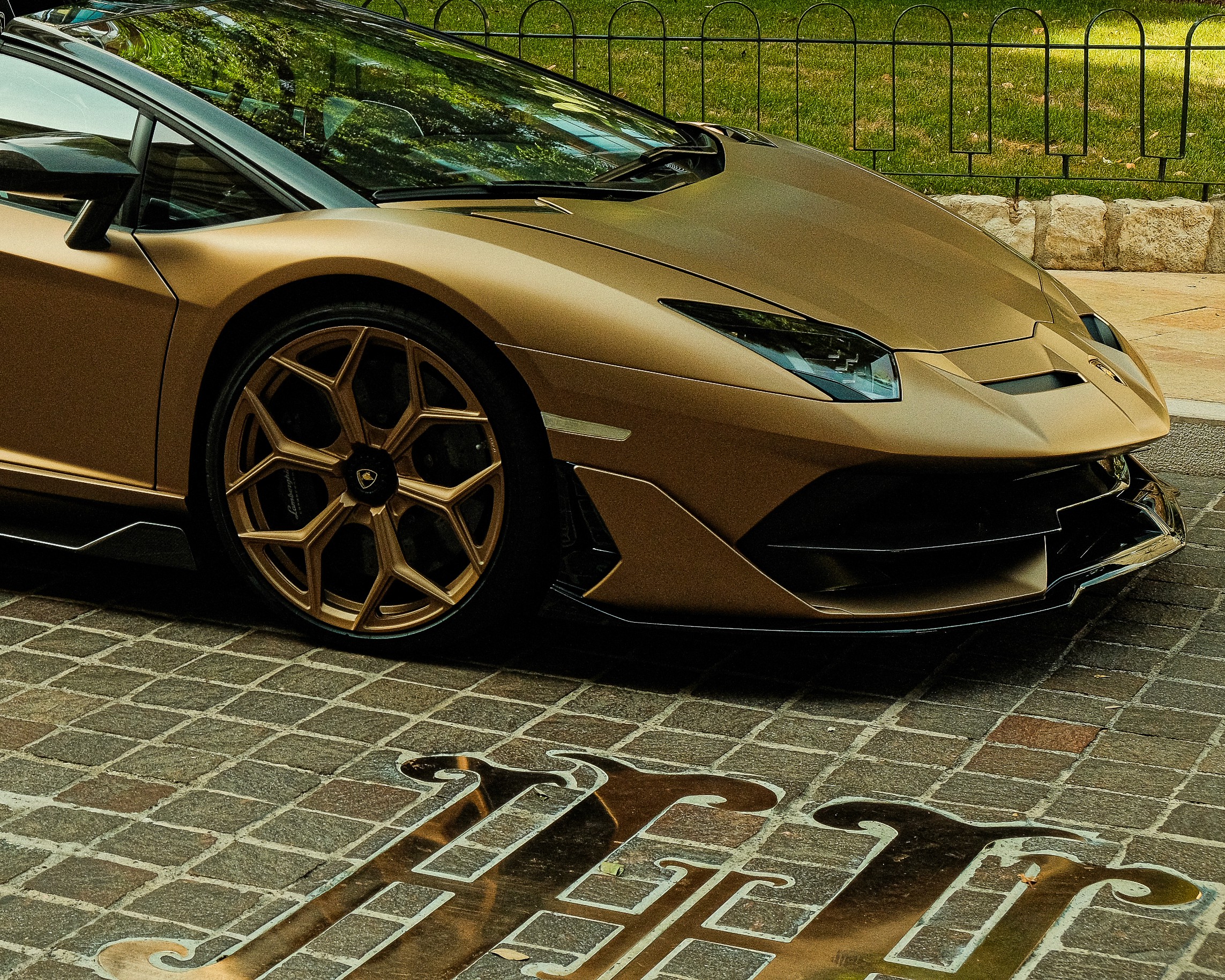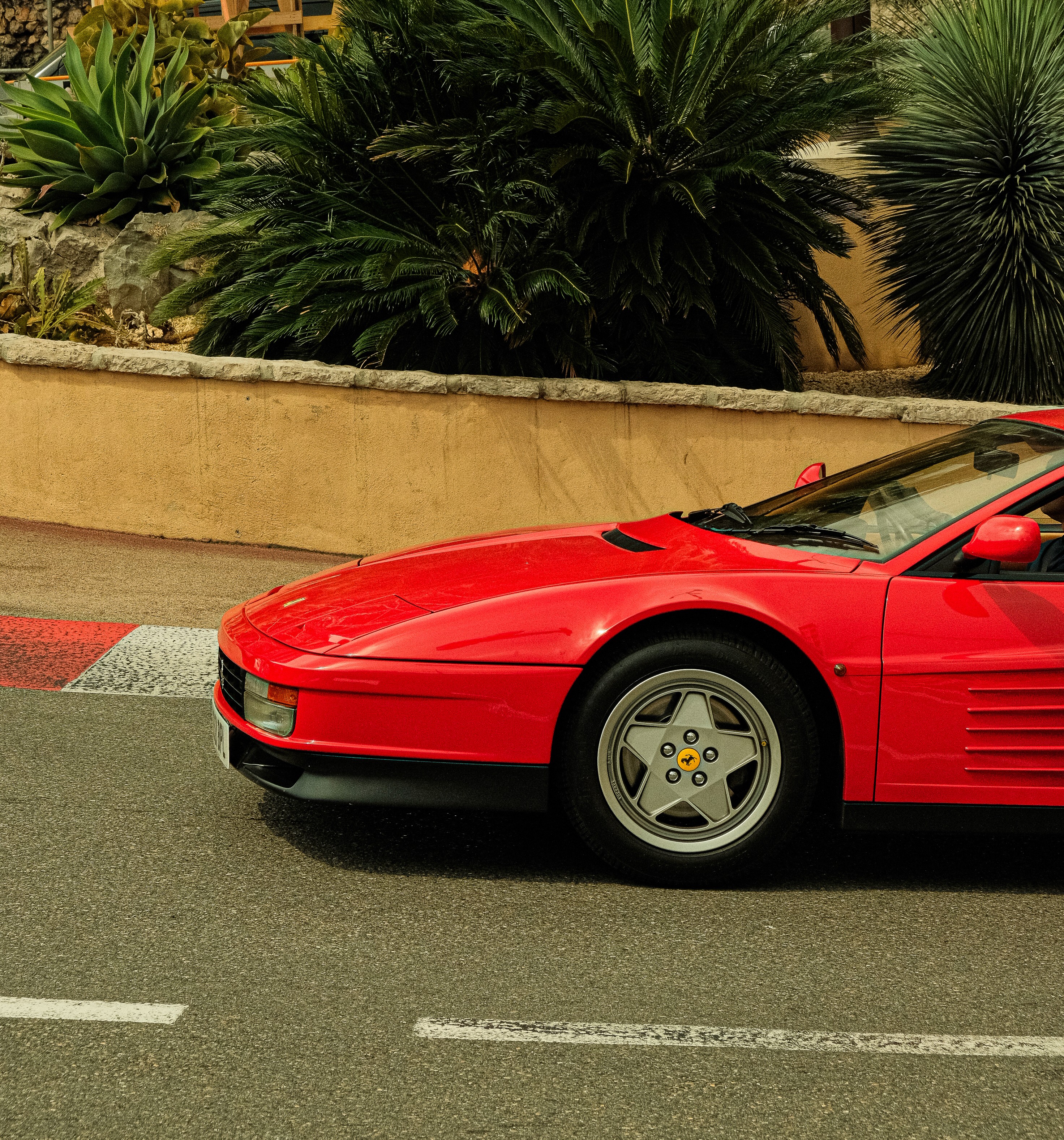
The luxury automotive market is undergoing fundamental transformation. Buyers no longer purchase solely for transportation, performance, or status symbols. They invest in experiences, aesthetic statements, and lifestyle alignment. The brands that understand this shift—positioning vehicles as enablers of aspirational living—capture market share and build devoted followings.
Modern luxury automotive marketing succeeds through sophisticated visual storytelling that positions vehicles within curated lifestyle contexts. Think Land Rover campaigns showcasing breathtaking landscapes rather than technical specifications. Consider luxury brands featuring vehicles in elegant urban environments or remote adventures.
In this resource, learn:
✔️ The shift from product-focused to lifestyle-focused automotive marketing
✔️ Visual storytelling frameworks for luxury brands
✔️ Creating aspirational content that resonates with high-net-worth audiences
✔️ Photography and videography approaches for automotive storytelling
✔️ Distribution strategies that reach luxury audiences
The Fundamental Shift in Luxury Automotive Marketing
Traditional automotive marketing focused on specifications: horsepower, acceleration, safety features, technology packages. Modern luxury automotive marketing recognizes that wealthy buyers understand these specifications and seek something deeper: the lifestyle and identity represented by vehicle ownership.
From Product Promotion to Lifestyle Positioning
The most successful modern luxury automotive campaigns abandon product-centric messaging. Instead, they position vehicles as essential elements of aspirational lifestyles.
Land Rover’s marketing strategy exemplifies this shift. Rather than discussing off-road capability or safety features, campaigns showcase vehicles within epic landscape narratives. The message isn’t “This vehicle has four-wheel drive”; it’s “This vehicle enables exploration and connection to natural beauty.”
This positioning works because wealthy buyers make purchase decisions based on aspirational identity, not rational need. A high-net-worth individual doesn’t need a luxury vehicle for basic transportation—they choose luxury vehicles to communicate who they are and what they value.
The Emotional Decision-Making Process
Luxury automotive purchasing follows a unique decision journey:
Awareness Stage: Luxury buyers seek prestige, exclusivity, and lifestyle alignment. Marketing at this stage showcases brand heritage, design philosophy, and lifestyle association rather than specifications.
Consideration Stage: Buyers evaluate multiple options, seeking validation from peers and alignment with personal values. Content showing existing owners, lifestyle integration, and community positioning influences decisions.
Decision Stage: Personalized experiences—exclusive test drives, private consultations, one-on-one service—seal the decision. Marketing emphasis shifts from brand messaging to personalized relationship building.
Post-Purchase Stage: Content about ownership experiences, maintenance, exclusive events, and community access reinforces satisfaction and builds loyalty for future purchases.
Core Visual Storytelling Frameworks
Framework 1: Environmental Luxury Narratives
Position vehicles within stunning natural or urban environments that reflect brand personality. This framework emphasizes lifestyle and experience over vehicle specifications.
Execution: Photograph vehicles in iconic locations reflecting luxury and aspiration. A Porsche against mountain peaks communicates performance and adventure. A luxury SUV in African landscapes communicates exploration and prestige. A European sedan in elegant city environments communicates sophistication and culture.
The vehicle becomes storytelling element rather than story focus. The narrative emphasizes place, adventure, and lifestyle while naturally incorporating the vehicle as enabler.
Framework 2: Heritage and Craftsmanship Storytelling
Connect vehicles to brand heritage, design philosophy, and engineering excellence. This framework builds credibility and emotional connection through narrative depth.
Execution: Showcase design decisions through behind-the-scenes content. Feature the craftspeople who create vehicles. Explore the heritage and innovation that distinguish your brand. Discuss the philosophy guiding design choices.
This approach acknowledges that luxury buyers understand quality and appreciate transparent discussion of what makes products exceptional. Heritage storytelling positions vehicles as products of careful thought and expertise rather than mass production.
Framework 3: Owner Lifestyle Integration
Feature how actual owners integrate vehicles into their lives. This framework builds social proof and aspirational identification.
Execution: Collaborate with owners for lifestyle photography showing vehicles in real ownership contexts. Photograph owners with their vehicles in settings reflecting their professional/personal interests. Create short documentaries about what vehicle ownership means to specific individuals.
This approach humanizes luxury and creates identification for target audiences. When potential buyers see lifestyle reflections of themselves in owner stories, emotional connection deepens.
Framework 4: Exclusive Experience Positioning
Create content around exclusive ownership experiences, community, and lifestyle benefits extending beyond vehicle functionality.
Execution: Document exclusive ownership events, private driving experiences, access to premium services, or community connections. Feature owner testimonials about non-vehicle benefits of ownership (community, experiences, status).
This framework positions vehicles as access points to curated lifestyle communities rather than just transportation. For affluent buyers, this community and experience differentiation outweighs mere product features.
Visual Production Standards for Luxury Automotive Content
Photography Standards and Aesthetics
Luxury automotive content demands exceptional photography:
Lighting Sophistication: Professional lighting showcases vehicle aesthetics without dramatic shadows or harsh contrast. Golden hour photography creates aspirational, luxurious tones. Controlled studio lighting demonstrates engineering and design precision.
Composition Excellence: Composition follows luxury aesthetic principles—clean lines, balanced elements, intentional negative space. Avoid cluttered compositions that compete with vehicle prominence.
Color Grading Consistency: Establish distinctive color-grading signature creating visual consistency across content. Warm, saturated tones communicate luxury and prestige differently than cool, desaturated approaches.
Environmental Integration: Ensure vehicles integrate naturally into environmental contexts rather than appearing artificially placed. Photographs should feel like documentary moments rather than staged marketing.
Videography and Cinematic Approaches
Video content transforms automotive storytelling:
Cinematic Movement: Use dynamic camera movement—smooth gimbal shots, drone cinematography, carefully choreographed vehicle motion—to create visual sophistication and viewer immersion.
Sound Design: Professional sound design elevates automotive content significantly. Engine notes, environmental sounds, and curated music create emotional resonance and luxury perception.
Narrative Structure: Develop clear narrative arcs within videos. Opening establishes setting/mood, middle develops story/emotion, conclusion connects vehicle to narrative resolution.
Production Quality: Lighting, audio, color grading, and editing must meet cinematic standards. Any production shortcuts diminish luxury perception. Budget accordingly for quality production.
Photography Locations and Storytelling Environments
Location selection profoundly impacts storytelling:
Iconic Locations: Partner with locations reflecting luxury and aspiration—exclusive resorts, prestigious architecture, celebrated natural landscapes. These environments amplify luxury positioning.
Personalized Locations: Feature vehicles in contexts reflecting different owner profiles and interests—urban professionals in cityscape, adventurers in wilderness, collectors in elegant home settings.
Seasonal Variation: Capture vehicles across seasons and conditions, reinforcing year-round ownership appeal and technical capabilities.
International Perspectives: Feature vehicles in different geographic contexts, suggesting global reach and universal prestige.
Digital Distribution and Audience Reach
Platform Strategy for Luxury Audiences
Different platforms reach luxury audiences in distinct ways:
Instagram: Visual-first platform ideal for lifestyle photography and aspirational storytelling. Focus on high-quality imagery and targeted hashtag strategies reaching affluent demographics.
YouTube: Long-form video content and documentaries build deeper narrative engagement. Luxury buyers often research extensively; comprehensive video content supports decision-making process.
LinkedIn: Target business professionals and decision-makers through thought leadership content, heritage storytelling, and professional lifestyle integration.
Private/Exclusive Channels: High-net-worth audiences increasingly value exclusivity. Consider private content platforms or email-based distribution for most affluent segments.
Content Calibration for Audience Segments
Different luxury market segments respond to different storytelling:
Established Wealth: Traditional heritage, performance excellence, and exclusivity resonate. These audiences value brand reputation and established prestige.
New Wealth: Aspirational lifestyle, cutting-edge innovation, and status signaling appeal. These audiences seek vehicles communicating success and forward-thinking perspective.
Collectors: Technical excellence, rarity, investment potential, and community positioning matter. Collectors appreciate detailed education and peer recognition.
Lifestyle-Focused Buyers: Adventure, experience, and aesthetic appeal matter more than specifications. These buyers seek vehicles enabling desired lifestyles.
Segment audiences and tailor storytelling accordingly rather than pursuing one-size-fits-all messaging.
Partnerships and Influencer Collaborations
Luxury automotive marketing benefits from strategic partnerships:
Lifestyle Brand Collaborations: Partner with complementary luxury brands (fashion, travel, hospitality) creating integrated campaigns reaching aligned audiences.
Celebrity and Influencer Features: Carefully select influencers whose personal brand aligns with vehicle positioning. Authenticity matters—forced pairings undermine luxury positioning.
Dealer and Community Ambassador Features: Showcase dealers and brand ambassadors providing authentic testimonials and community integration.
Press and Media Relations: Cultivate relationships with automotive journalists and lifestyle publications ensuring quality coverage and earned media extending reach beyond paid content.