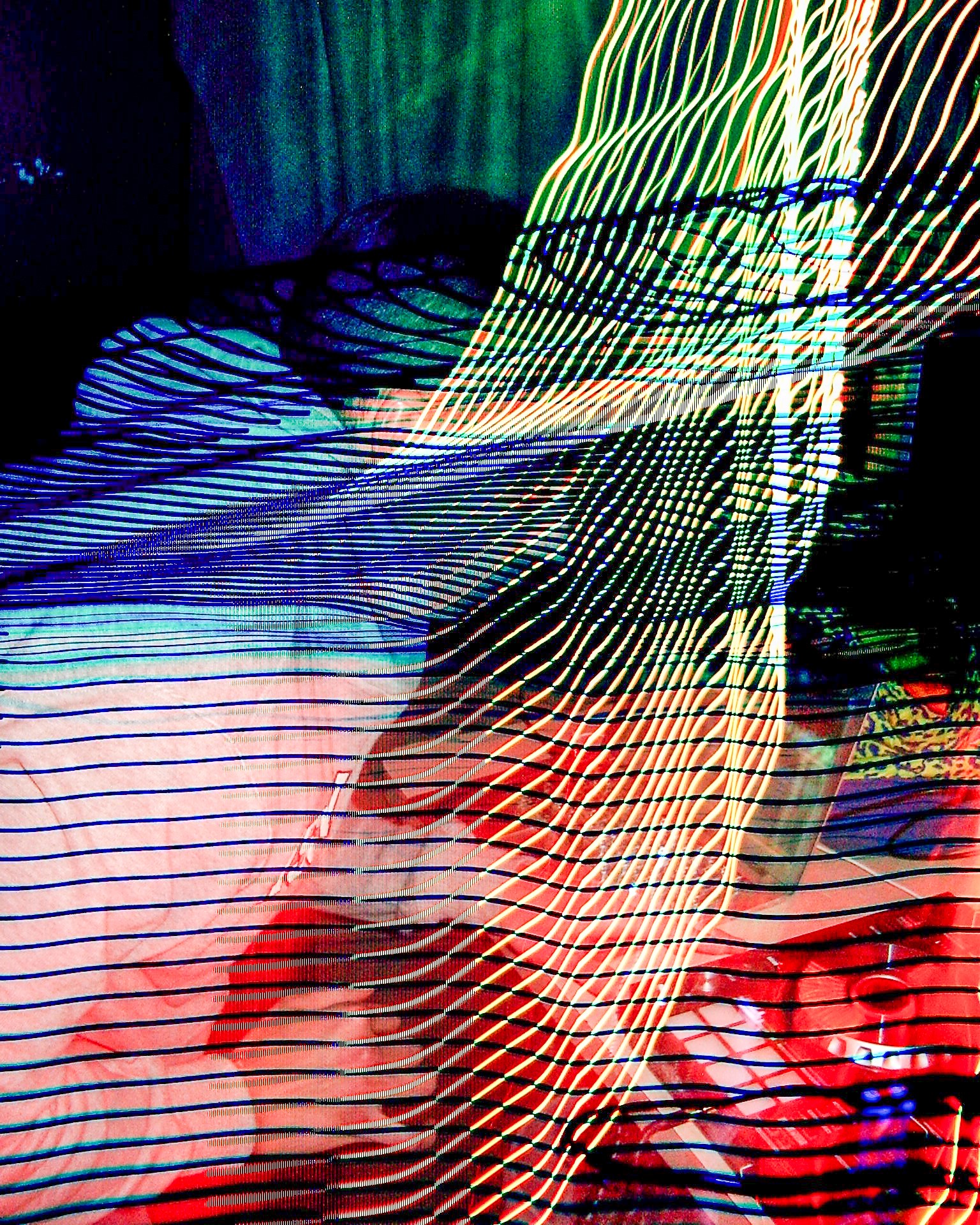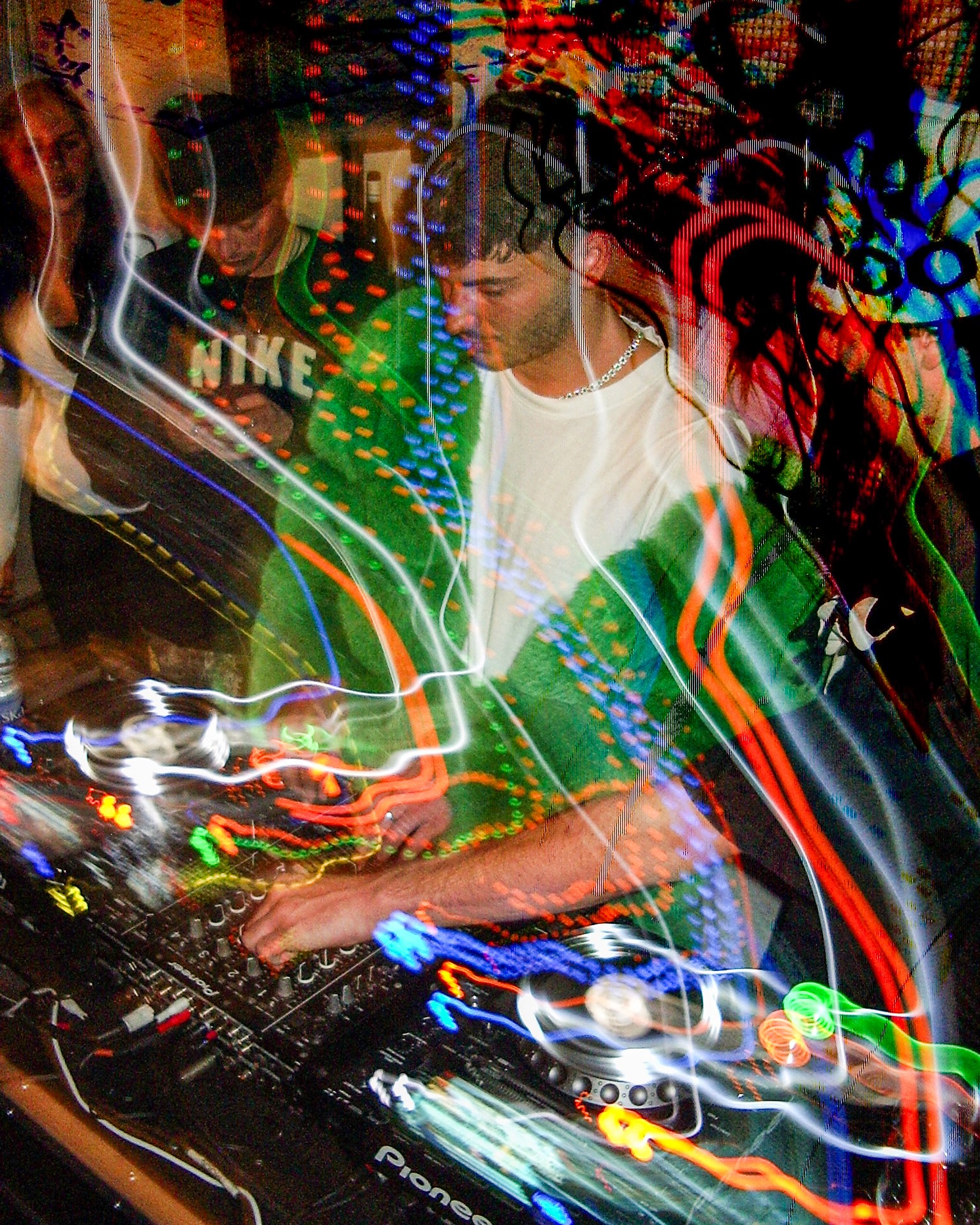
In the polished world of Instagram, perfection is boring. Montreal’s underground DJ scene thrives on the raw, the experimental, and the counter-culture. To visualize this sound, photographers are turning to "broken" gear. Light leaks, stuck shutters, scratched lenses, and fried sensors are no longer mistakes—they are stylistic choices. This blog explores how to harness the chaos of broken cameras to create visuals that match the bass-heavy grit of the Montreal electronic scene.
The Art of the Malfunction
Light Leaks as a Feature
A cheap plastic camera with a loose back door lets streaks of red and orange light burn across the film. In a dark club, these leaks mimic the strobe lights and lasers, adding a psychedelic layer to the image. It transforms a standard DJ portrait into something abstract and energetic. Don't fix the leak; control it.
Fried Sensors and Digital Decay
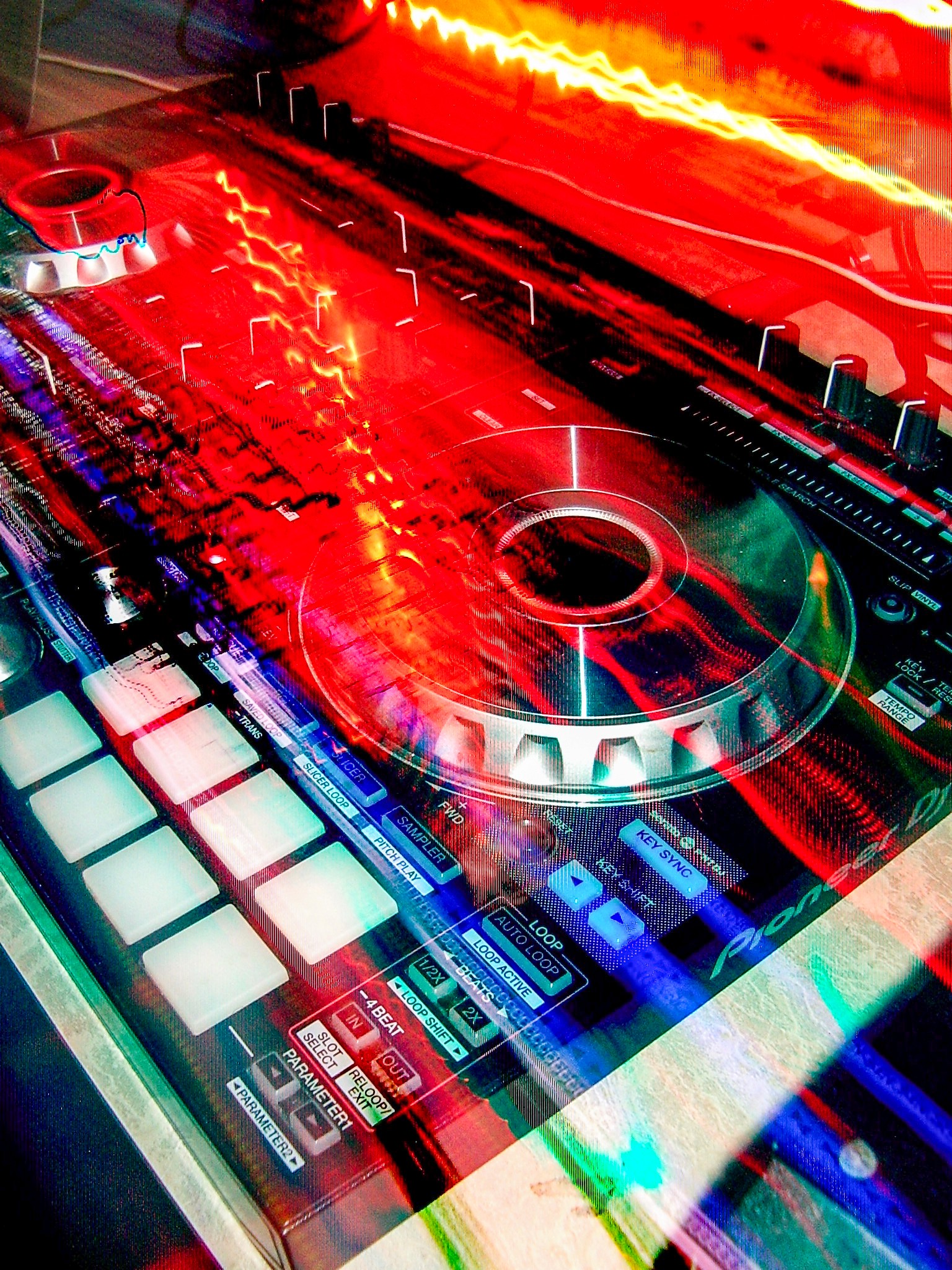
Old digital cameras that have been dropped or exposed to lasers sometimes develop sensor faults—purple lines, color shifts, or ghosting. This "glitch art" is authentic and unrepeatable. Using a "fried" camera to shoot a techno set creates images that look like the audio sounds: distorted, intense, and industrial.
Matching Visuals to Sound
The Lo-Fi Texture
Underground techno, house, and experimental bass music often feature distortion and texture. Your photos should feel the same. The low resolution of a broken flip-phone camera or a Game Boy Camera creates a pixelated, lo-fi aesthetic that aligns perfectly with the raw, hardware-based sound of many Montreal producers.
Experimental Portraits
When shooting press kits for DJs, forget the clean studio headshot. Use a lens with a cracked element to create crazy flares and softness. It creates a mysterious, anonymous vibe that many electronic artists prefer. It signals to the audience that this artist is different, raw, and unconventional.