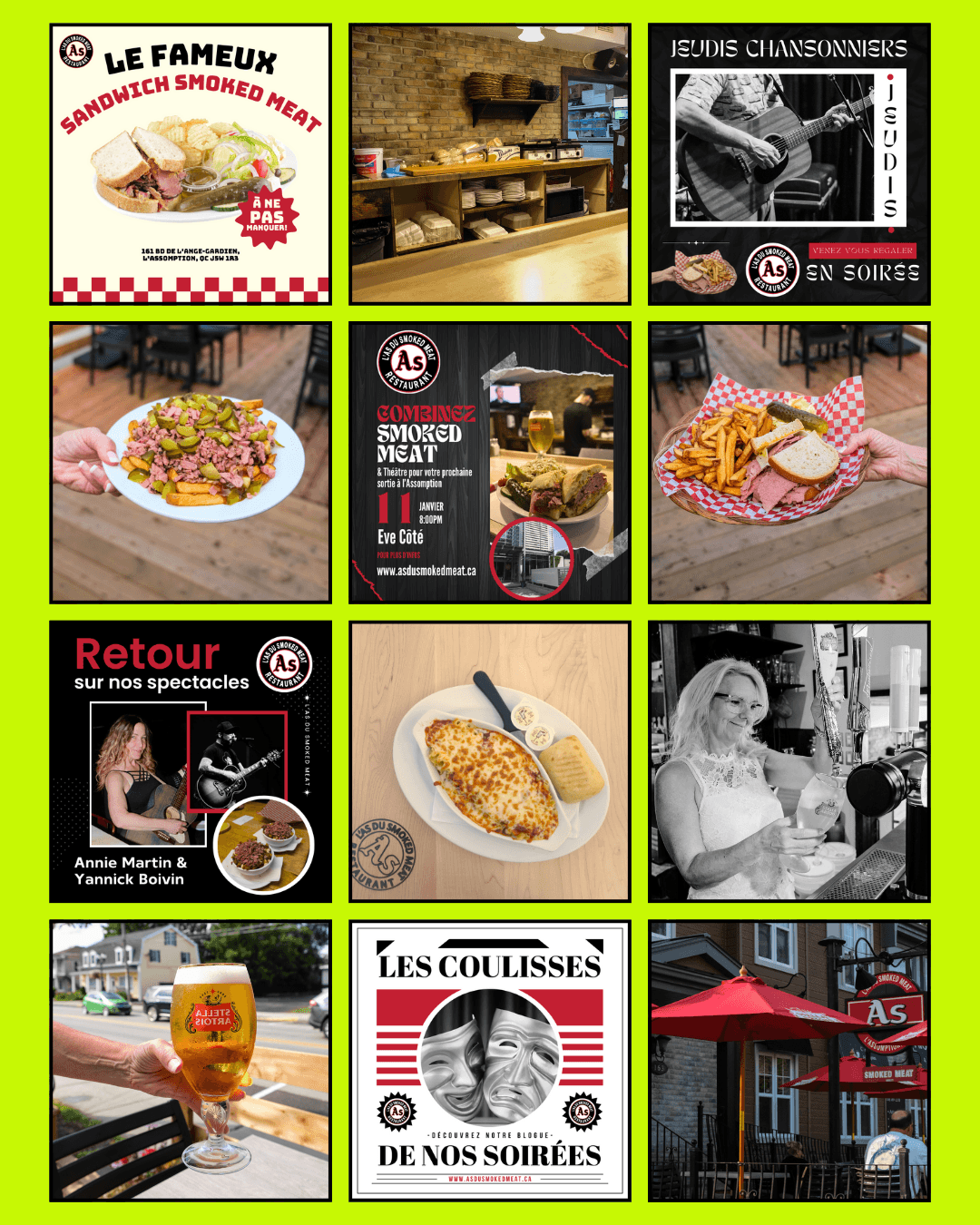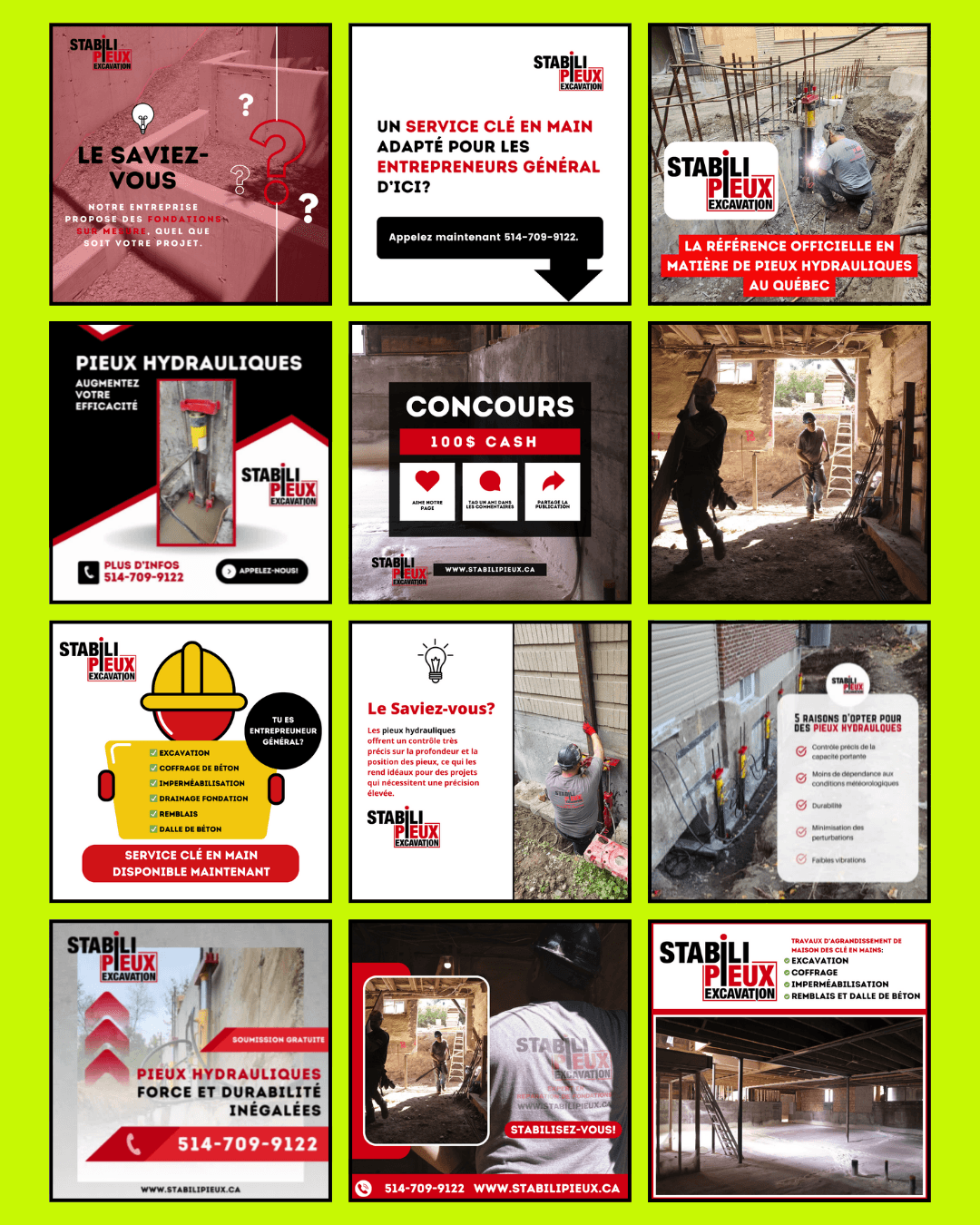
Organic marketing builds genuine audience connections through authentic content and community engagement rather than paid advertisements. While slower than paid approaches, organic marketing delivers loyal customers, better engagement, and sustainable long-term growth.
Understanding organic marketing costs helps you build realistic expectations:
✔️ What organic marketing includes and why it matters
✔️ Average costs for organic marketing in Quebec
✔️ ROI and timeline expectations
✔️ How to build an effective organic strategy
✔️ Combining organic and paid for maximum impact
Let's explore how authentic marketing drives real business results.
What Is Organic Marketing and Why It Matters
Organic marketing encompasses all strategies that build visibility, engagement, and customer relationships without paid advertising. This includes content marketing, social media engagement, email marketing, search engine optimization, and community building.
Unlike paid advertising that stops working when you stop paying, organic marketing builds compounding value over time. As your content ranks better, your audience grows, and your authority increases, ongoing effort requires less investment while results improve.
Content Marketing and Blog Strategy
Content marketing involves creating valuable, original content that answers audience questions and addresses their challenges. Blog posts, guides, videos, and infographics establish your expertise and attract search traffic.
Basic content marketing starts at $400-$800 monthly for 2-4 blog posts monthly. Comprehensive content strategy including keyword research, content planning, writing, editing, and optimization costs $800-$2,000+ monthly.
Content marketing success requires consistency and time. Most businesses see meaningful organic traffic growth within 6-12 months of consistent content publishing.
Social Media Organic Growth Strategy
Building engaged social media communities through consistent posting, genuine engagement, and community interaction costs significantly less than paid social advertising.
Basic social media management (content planning, posting, engagement) costs $300-$800 monthly. Comprehensive management including strategy development, content creation, community engagement, and analytics reporting costs $800-$1,500+ monthly.
Organic social growth is slower than paid but builds genuinely engaged followers who become loyal customers.
Email Marketing and List Building
Email marketing maintains relationships with interested audiences, driving repeat engagement and conversions. Building email lists through valuable content offers and nurturing those lists is fundamental organic marketing.
Email marketing platforms cost $20-$300 monthly depending on subscriber count. Email campaign strategy and copywriting cost $200-$500+ monthly.
Email marketing typically delivers 4-7x ROI, making it one of the highest-return organic marketing tactics.
SEO and Search Engine Visibility
SEO makes your existing content discoverable in search results, driving qualified organic traffic. Unlike paid search, SEO traffic is free once you achieve rankings.
Organic SEO strategy including keyword research, content optimization, technical setup, and link building costs $400-$1,500 monthly. Results typically appear within 3-6 months for competitive keywords and longer for highly competitive terms.

Organic Marketing Costs and Timeline
Realistic Organic Marketing Investment
Small businesses typically invest $500-$2,000 monthly in organic marketing (combining content, social, and SEO efforts). This builds meaningful results within 6-12 months.
Mid-market businesses often invest $2,000-$5,000+ monthly for comprehensive organic strategies across multiple channels.
The "cost" of organic marketing includes professional services, tools, and time—but ongoing results continue even when active investment pauses, unlike paid advertising.
Timeline for Organic Marketing Results
Organic marketing is a medium-to-long-term strategy. Expect:
Months 1-3: Building foundational content, optimizing platforms, establishing consistency. Traffic and engagement growth may be minimal initially.
Months 3-6: Content begins ranking in search, social followers accumulate, email lists grow. Measurable growth appears but may still seem modest.
Months 6-12: Compounding results accelerate. Search rankings improve, social engagement increases, email conversions rise. Meaningful business impact becomes visible.
12+ months: Established authority, consistent rankings, engaged communities, and predictable organic results.
Organic vs. Paid Marketing ROI
Paid advertising delivers immediate visibility but stops working when spending stops. Organic marketing requires patience but builds lasting value.
A business spending $1,000 monthly on paid ads must continue spending to maintain visibility. A business spending $1,000 monthly on organic marketing builds assets (ranked content, engaged audience) that continue delivering value long-term.
Many successful businesses combine both strategies: organic for long-term foundation, paid for quick wins while organic develops.
When to Add Paid Support to Organic Strategy
Organic strategies become more effective with paid amplification. Amplifying top-performing organic content with modest paid promotion ($200-$500 monthly) accelerates growth without replacing organic efforts.
Paid retargeting of organic audience members often converts better than organic alone, justifying modest paid investment on top of core organic strategy.
Building an Effective Organic Marketing Strategy
Consistency Over Perfection
Organic marketing rewards consistency. Regular posting, ongoing engagement, and steady content creation build momentum better than occasional large efforts.
Set realistic posting schedules you can maintain long-term rather than ambitious plans you'll abandon. Three quality blog posts monthly beats one weekly goal you can't sustain.
Audience-First Approach
Effective organic marketing starts with understanding your audience: their challenges, questions, preferences, and where they spend time. Create content addressing their actual needs rather than just promoting products.
Audience-focused content attracts engaged followers who become customers, not just vanity metrics.
Quality Content Drives Everything
Well-researched, thoroughly written, original content performs better than thin, rushed content. Invest in quality writing, design, and production. Better content ranks better, engages more, and converts higher.
Multi-Channel Integration
Organic success comes from coordinated effort across platforms. A blog post can become multiple social posts, email content, video script, and infographic—maximizing content ROI.
Integrated strategy is more efficient than managing isolated channels independently.