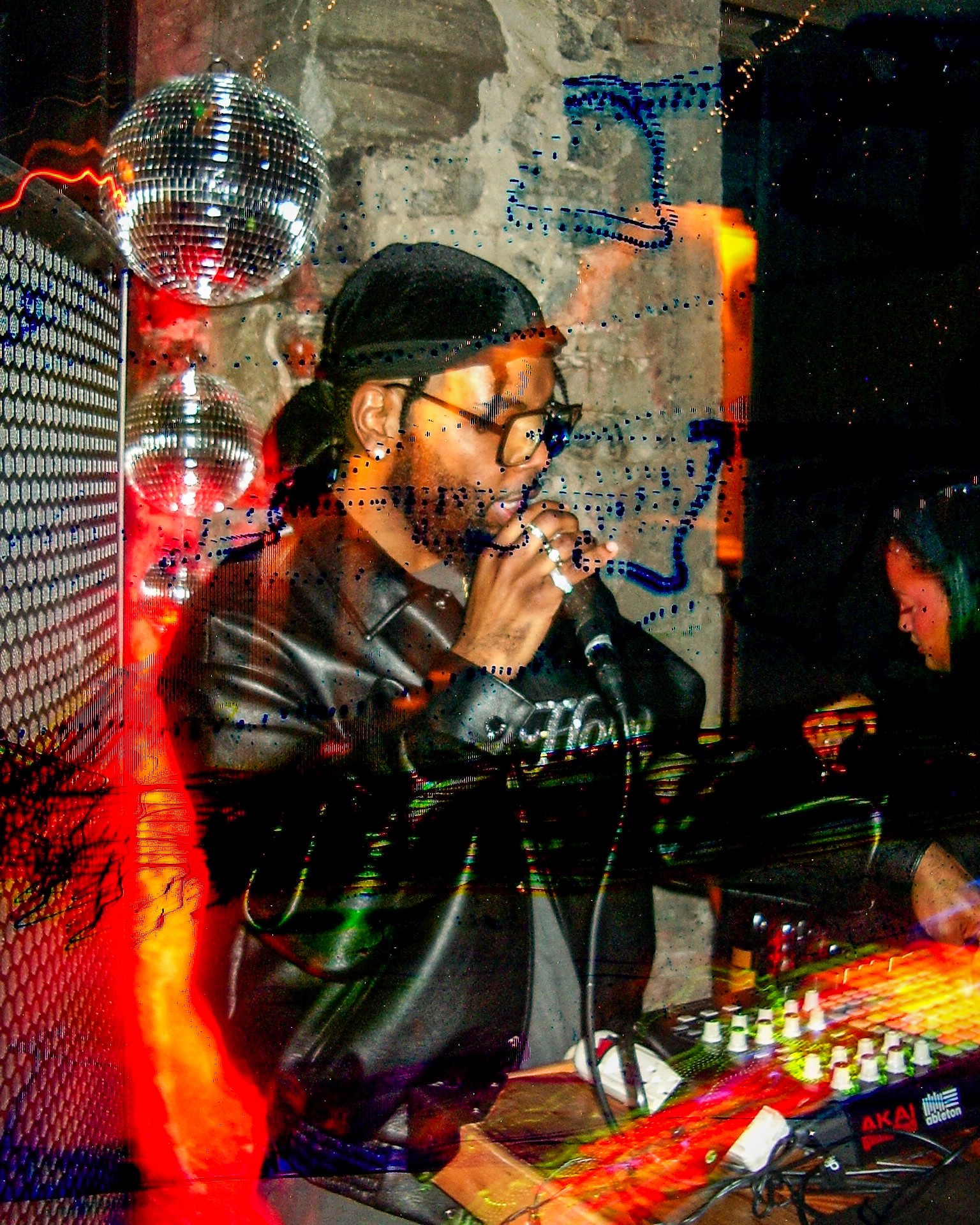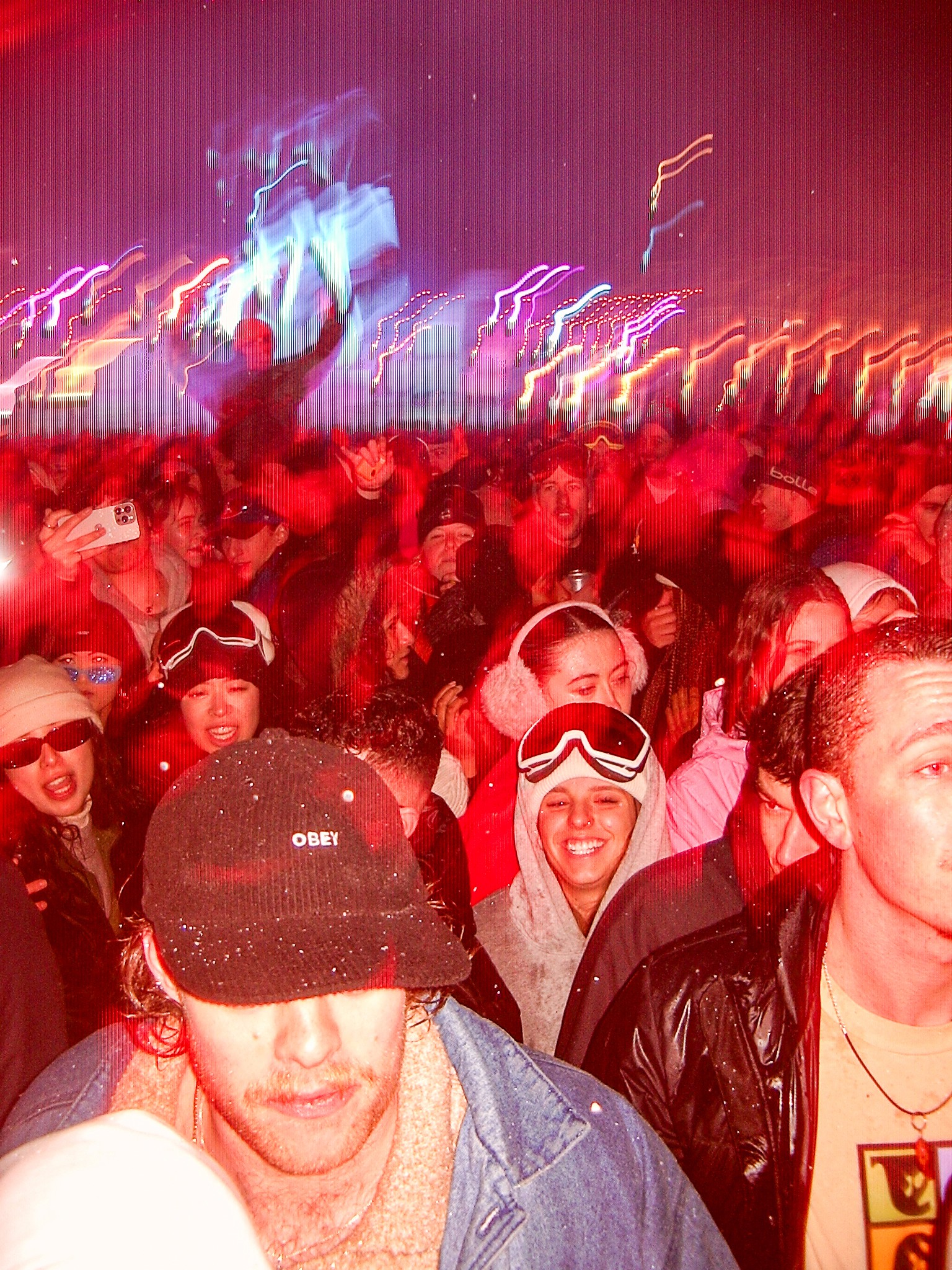
In an era of hyper-polished 4K content, the raw, imperfect aesthetic of early 2000s digicams (CCD sensors) and 35mm film is reclaiming the spotlight. Nowhere is this more relevant than in Quebec's vibrant event scene—from the icy raves of Igloofest to the adrenaline of Pentapic and local skate jams. At Moonbow Média, we believe in matching the medium to the moment. This guide explores how to implement retro tech to capture the authentic "digital adrenaline" of snowboarding, skateboarding, and after-ski music events.
Why Retro Tech Fits the Quebec Scene
The Aesthetic of Imperfection
Events like Igloofest and Pentapic aren't just about the music or the sport; they are about the atmosphere. The flash-heavy, high-contrast look of a Canon PowerShot G9 or the grain of Kodak Portra 400 captures the grit of a snowy rave or a dimly lit after-ski party better than any modern mirrorless camera. The "flaws"—blown-out highlights, digital noise, and motion blur—become artistic choices that resonate with the raw energy of the crowd.
Compact Gear for High-Energy Environments
When you're in the middle of a mosh pit at a DJ set or dodging snowboarders at a rail jam, bulky gear is a liability. Point-and-shoot 35mm cameras (like the Olympus Mju) and pocketable digicams allow you to stay mobile and candid. You become part of the event rather than an observer with a massive lens, leading to more intimate and authentic shots.
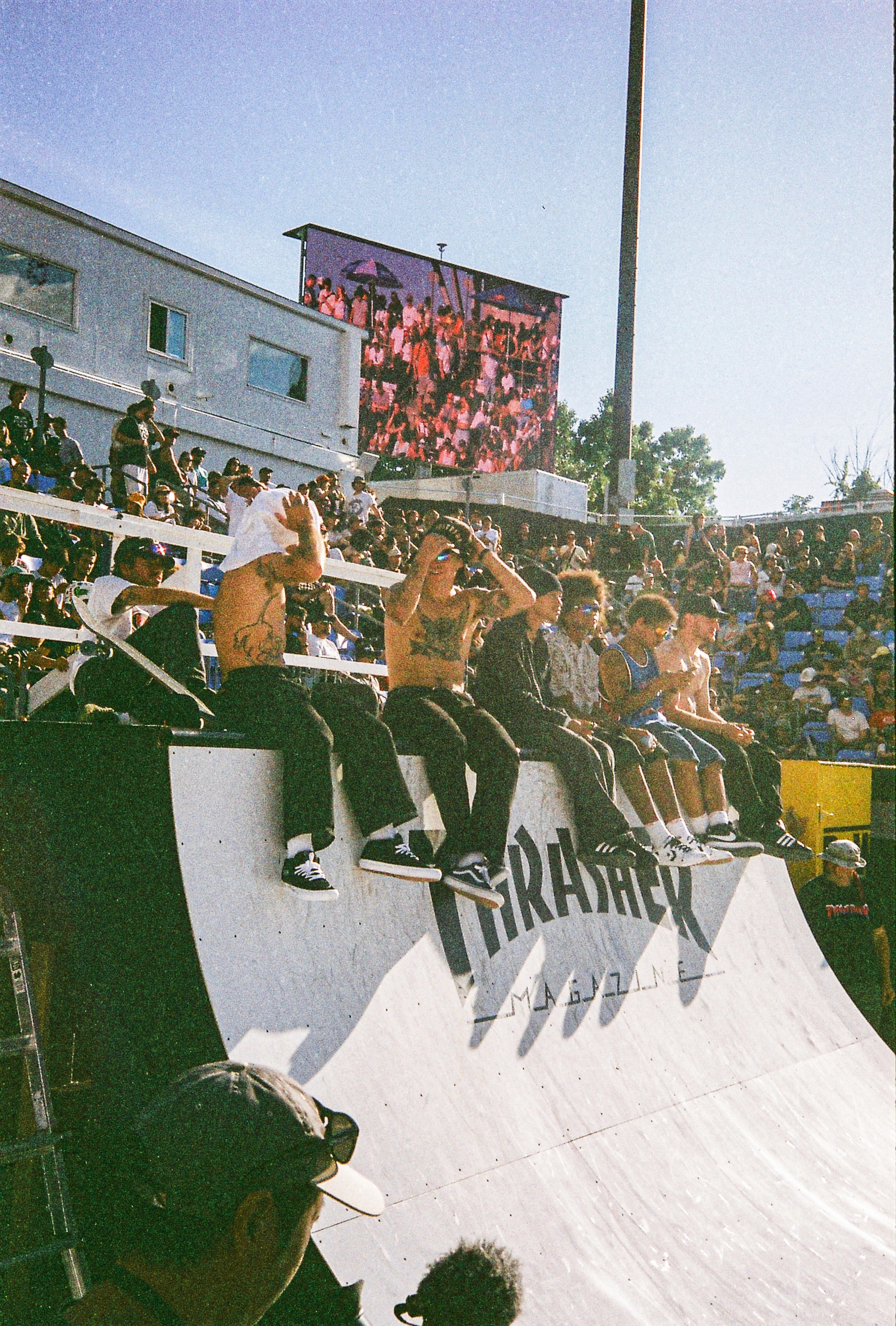
Master Class: Shooting Snow, Skate & Sound
Exposed for Snow and Flash
Shooting snowboarding events on older digital sensors can be tricky due to the bright snow. Underexpose slightly to preserve highlights, then use the built-in flash to freeze the rider and make the snowflakes pop. For film, bring a high-speed stock like Cinestill 800T for night events or Ilford HP5 for a gritty monochrome skate aesthetic.
The DJ Booth AestheticFor Montreal DJ sets and after-skis, the "direct flash" look is iconic.
Use a digicam from 2005-2008 (look for CCD sensors) to get those nostalgic, vibrant colors that CMOS sensors struggle to replicate. Capture the sweat, the chaotic lights, and the raw emotion of the artist without over-thinking the composition. It’s about the moment, not the megapixels.